Finding the Best Web Designer Near Me: A Complete Guide
The Quick Answer
Finding the best web designer near me can seem daunting, but it doesn't have to be. The key is knowing what to look for and where to start. First, identify your specific needs. Are you looking for a complete website overhaul, or do you need a professional to tweak your existing site? Understanding this will help you narrow down your search.
Next, explore local options by utilizing online directories and review platforms. Websites like Yelp and Google My Business can provide insights into a designer's reputation and client satisfaction. Pay attention to the reviews, focusing on comments about creativity, reliability, and communication skills.
When evaluating potential designers, consider the following criteria:
Portfolio Quality: Examine their previous work to ensure their style aligns with your vision.
Experience: Look for designers with experience in your industry or a similar field.
Pricing: Determine if their rates fit within your budget while still offering quality service.
Availability: Ensure they can meet your project timeline.
Criteria | Importance | Consideration |
|---|---|---|
Portfolio Quality | High | Matches your brand's aesthetic |
Experience | Medium | Relevant to your specific industry |
Pricing | High | Aligns with your budget |
Availability | Medium | Fits your project schedule |
Lastly, don't overlook the potential of agencies like TrendTap Digital, which offers comprehensive solutions that integrate web design with broader marketing strategies. Agencies often bring a team of experts to the table, ensuring a cohesive approach to your brand's online presence. For more details on finding the best marketing agency near you, check out our guide.
Finding the right web designer nearby involves a balance of creativity and functionality. By focusing on these key factors, you can make an informed decision that enhances your brand's digital footprint.
Background & Context
In today's digital landscape, finding a web designer near me has become a pivotal task for many businesses looking to enhance their online presence. With an ever-growing emphasis on digital marketing, the need for a well-crafted website is more critical than ever. Web design isn't just about aesthetics; it's about creating a seamless user experience that aligns with your brand's identity and goals. This is where agencies like TrendTap Digital come into play, offering a full suite of services designed to elevate your brand through strategic design and marketing efforts.
When considering a web designer, it's essential to understand the broader context of what web design entails. It's not solely about coding or graphic design; it's about crafting an engaging online environment that converts visitors into customers. The right web designer will balance creativity with functionality, ensuring that every element of your site serves a purpose. This holistic approach is often what sets apart the top-tier designers from the rest.
The Role of Web Designers
Web designers today are tasked with a multitude of responsibilities that go beyond simply creating a visually appealing site. They must:
Understand User Experience (UX): A crucial component that involves designing for ease of navigation and accessibility.
Incorporate Responsive Design: Ensuring your website looks great on all devices, from desktops to smartphones.
Align with Brand Identity: The design should reflect your brand's values and message consistently.
"A well-designed website can be the difference between a user staying on your page or clicking away," says an expert at TrendTap Digital.
Why Location Matters
Choosing a local web designer can have significant advantages. Proximity allows for easier communication and collaboration, fostering a more personalized service. Local designers are also more likely to understand regional market trends and consumer behaviors, which can be beneficial in tailoring your website to the local audience.
Comparing Options
When evaluating potential web designers, consider the following factors:
Factor | Importance | Why It Matters |
|---|---|---|
Portfolio | High | Demonstrates capability and style |
Industry Experience | Medium | Relevant insights into your specific field |
Technical Proficiency | High | Essential for site functionality |
Client Testimonials | Medium | Provides insights into reliability and service |
By weighing these factors, you can make a more informed decision that aligns with your business objectives.
In conclusion, the search for a web designer near me is not just about finding someone to build a site; it's about partnering with a professional who can translate your brand's vision into a compelling digital experience. Agencies like TrendTap Digital offer a comprehensive approach, integrating web design with broader marketing strategies to ensure your brand stands out in the competitive online marketplace.
Core Concepts
Key Concept 1: Understanding Your Brand's Unique Needs
When searching for a web designer near me, it's essential to first understand the unique needs of your brand. This involves analyzing your business goals, target audience, and the specific functionalities you require for your website. A clear understanding of these elements lays the foundation for a successful partnership with a web designer.
Identifying Business Goals:
Determine whether your primary goal is to generate leads, sell products, or enhance brand awareness.
Consider how your website can support these objectives through design and functionality.
Target Audience Analysis:
Define your ideal customer profiles, including demographics, interests, and online behavior.
Tailor your website design to appeal to these specific audience segments.
Functional Requirements:
List the features you need, such as e-commerce capabilities, interactive elements, or integration with other digital tools.
Prioritize these features based on their importance to your business strategy.
"A well-defined brand identity is crucial for crafting a website that resonates with your audience and supports your business goals."
Once you have a clear picture of your brand's needs, you can communicate these effectively to potential web designers. This ensures that they understand your vision and can create a website that aligns with your strategic goals.
Key Concept 2: Evaluating Design Style and Compatibility
The next step in finding the best web designer near me is evaluating their design style and compatibility with your brand. This involves reviewing their portfolio, understanding their design process, and assessing their ability to adapt to your brand's aesthetic.
Portfolio Review:
Examine the designer's previous work to gauge their style and versatility.
Look for diversity in their portfolio, indicating their ability to tailor designs to different brands.
Design Process Insight:
Inquire about their approach to design, including research, ideation, and revision stages.
A transparent and collaborative process is often indicative of a designer's commitment to quality.
Brand Compatibility:
Assess whether their design style complements your brand's identity and values.
Consider how well they can incorporate your brand elements, such as logos, color schemes, and typography, into the website design.
Aspect | Description | Importance |
|---|---|---|
Portfolio Diversity | Range of styles and industries covered | High |
Design Process | Clarity and collaboration in design stages | Medium |
Brand Alignment | Compatibility with brand identity | High |
By ensuring that a designer's style aligns with your brand, you increase the likelihood of a cohesive and impactful web presence that reinforces your brand's identity.
Key Concept 3: Ensuring Technical and Communication Proficiency
Finally, it's crucial to evaluate both the technical skills and communication abilities of a potential web designer near me. These competencies are integral to the success of your website project, ensuring it meets technical standards and that you have a smooth working relationship.
Technical Skills:
Verify their proficiency in the latest web technologies, such as HTML5, CSS3, and JavaScript.
Ensure they have experience with responsive design to cater to all device types and screen sizes.
Communication Abilities:
Assess their responsiveness and clarity in communication during initial interactions.
Look for a designer who listens actively and provides constructive feedback.
Project Management:
Inquire about their project management practices, including timelines, deliverables, and revision policies.
A well-organized approach can significantly impact the project's efficiency and success.
"Effective communication and robust technical skills are the backbone of a successful web design project."
By focusing on these aspects, you can choose a web designer who not only has the technical expertise to bring your vision to life but also communicates effectively to ensure a seamless collaboration.
In conclusion, understanding your brand's unique needs, evaluating design compatibility, and ensuring technical and communication proficiency are core concepts in selecting the right web designer near me. By prioritizing these elements, you position your brand for success in the digital landscape, ensuring a website that not only meets but exceeds your business objectives.
How It Works
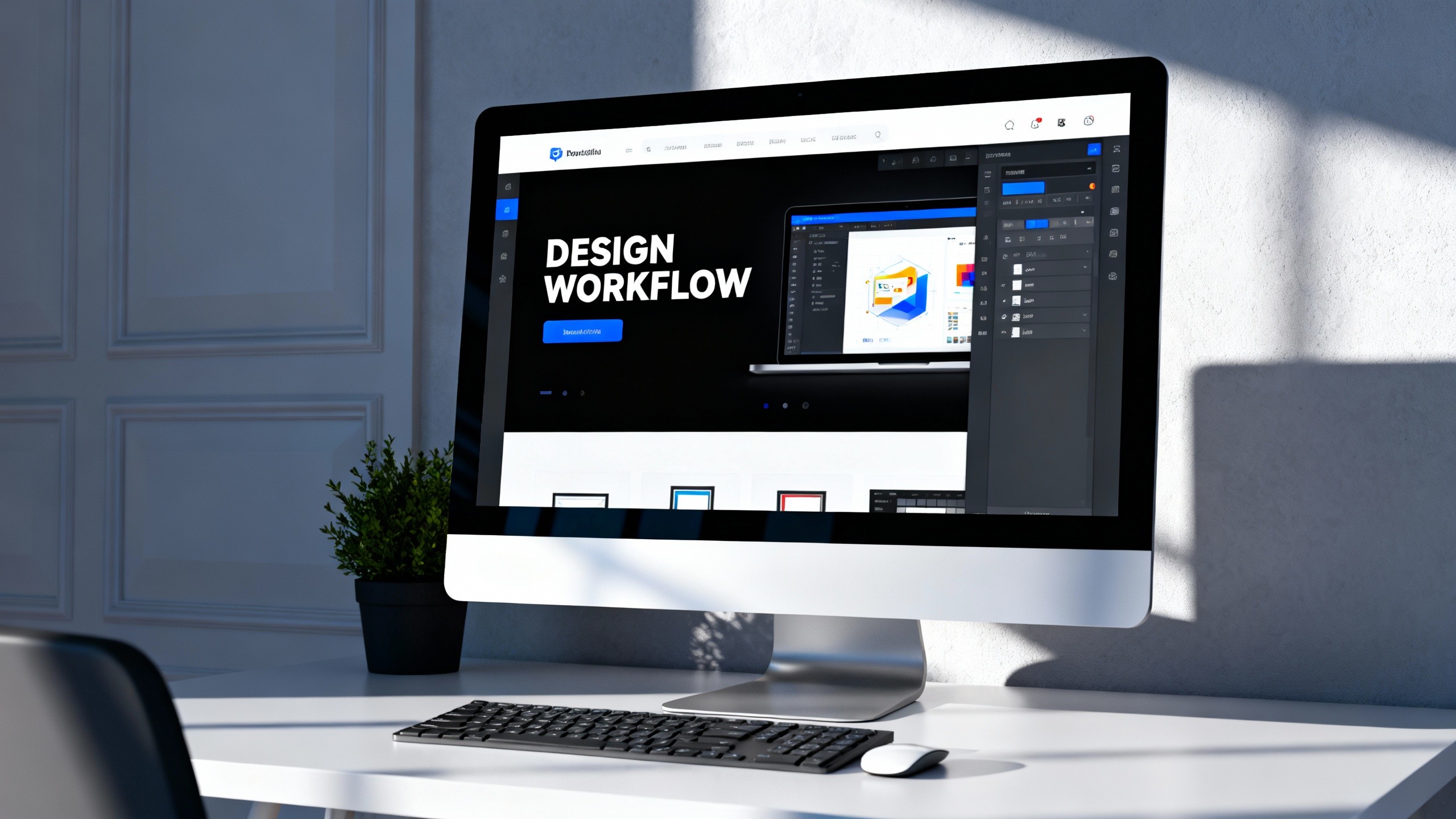
The Process Explained
When you're searching for a web designer near me, understanding the design process is crucial to ensure your project aligns with your vision and goals. Here's a comprehensive breakdown of the typical steps involved:
Initial Consultation: This is where it all begins. The web designer will meet with you to discuss your business objectives, target audience, and design preferences. This phase is essential for capturing the essence of your brand and ensuring that the final product reflects your identity.
Research and Strategy Development: After the initial consultation, the designer will dive into research. This involves analyzing competitors, understanding industry trends, and identifying key features that your website needs. A strategic plan is crafted to guide the design process, ensuring that every element serves a purpose.
Design and Wireframing: In this stage, the designer will create wireframes and mockups to visualize the website's layout and structure. This is a collaborative phase where feedback is crucial. The goal is to refine the design until it aligns perfectly with your business goals.
Development: Once the design is approved, the development phase begins. Here, the designer transforms the static mockups into a fully functional website. This involves coding and integrating necessary features, such as e-commerce capabilities or interactive elements.
Testing and Quality Assurance: Before launching, the website undergoes rigorous testing. This ensures that all functionalities work seamlessly across different devices and browsers. Any bugs or issues are addressed during this phase to guarantee a smooth user experience.
Launch and Support: After testing, it's time to launch! However, the work doesn't stop here. A reputable web designer will offer post-launch support to address any issues that arise and ensure your website remains up-to-date.
"A well-executed web design process is not just about aesthetics; it's about creating a strategic asset for your business."
These steps highlight the meticulous nature of web design and the importance of selecting a designer who can guide you through each phase with expertise and clarity.
Behind the Scenes
While the above process outlines the visible stages of web design, much of the magic happens behind the scenes. Let's explore what goes on beneath the surface:
Technical Expertise: A web designer's technical skills are pivotal. They must be proficient in various coding languages, such as HTML, CSS, and JavaScript, to build responsive and dynamic websites. Additionally, familiarity with platforms like WordPress or Shopify can be crucial for certain projects.
Creative Innovation: Beyond technical skills, creativity plays a significant role. Designers must constantly innovate to create unique and engaging websites that stand out in a crowded digital landscape. This involves experimenting with color schemes, typography, and interactive elements to craft a memorable user experience.
Project Management: Effective project management ensures that the design process runs smoothly. This includes setting realistic timelines, managing resources, and maintaining clear communication with clients. A well-organized approach can significantly enhance the efficiency and success of the project.
Aspect | Importance | Description |
|---|---|---|
Technical Skills | High | Essential for building functional and responsive sites |
Creative Innovation | High | Crucial for crafting unique and engaging designs |
Project Management | Medium | Ensures smooth workflow and timely delivery |
Collaboration and Communication: Behind every successful web design project is a foundation of strong collaboration. Designers work closely with clients, developers, and other stakeholders to ensure that every aspect of the website aligns with the client's vision. Open communication is key to addressing concerns and incorporating feedback effectively.
In the end, selecting a web designer near me who excels in these behind-the-scenes aspects is as important as choosing one with a compelling portfolio. By understanding the intricacies of the web design process and the unseen efforts that drive it, you can make an informed decision that sets your project up for success.
Real-World Applications
When seeking the ideal web designer near me, understanding how their skills translate into real-world applications is crucial. The ability to visualize how a designer's expertise can impact your business directly can make the decision-making process clearer and more strategic. Let's explore some compelling use case examples that illustrate the tangible benefits of engaging a proficient web designer.
Use Case Examples
1. E-commerce Brand Enhancement
For e-commerce brands, having a visually appealing and user-friendly website is non-negotiable. A web designer can significantly enhance an online store's appearance and functionality. Consider a scenario where a small business owner partners with a skilled web designer to revamp their online presence:
Improved User Experience: By implementing intuitive navigation and streamlined checkout processes, the designer enhances user satisfaction and reduces cart abandonment.
Visual Appeal: Utilizing high-quality images and compelling typography, the designer crafts a visually engaging platform that captures and retains customer attention.
Responsive Design: Ensuring the site is mobile-friendly, the designer expands the brand's reach to a broader audience, accommodating the increasing number of mobile shoppers.
"A well-designed e-commerce site is like a well-organized store; it attracts customers and encourages them to stay and explore." – Expert Insight
2. Small Business Branding
For small business owners, a website often serves as the primary touchpoint for potential customers. A web designer can play a pivotal role in shaping the brand's identity through the following strategies:
Unique Identity Crafting: By understanding the brand's core values, the designer creates a unique design that reflects the business's personality and mission.
Data-Driven Design: Leveraging analytics and market research, the designer tailors the website to meet the specific needs of the target audience, enhancing engagement and conversion rates.
SEO Optimization: Implementing SEO best practices, the designer ensures that the website ranks well in search engines, increasing visibility and attracting more local traffic.
3. Content Creator Platforms
For content creators, their website is not just a portfolio but a platform for engagement and interaction. A web designer can transform a standard site into an interactive hub by:
Multimedia Integration: Incorporating videos, podcasts, and blogs seamlessly into the site, providing a rich multimedia experience for visitors.
Community Building: Designing forums or comment sections that foster community interaction and engagement, keeping visitors returning.
Monetization Opportunities: Setting up e-commerce capabilities for merchandise sales or subscription models, allowing creators to monetize their content effectively.
Real-World Impact Comparison
To illustrate the impact of these applications, consider this comparison table showcasing potential outcomes with and without professional web design:
Scenario | Without Professional Design | With Professional Design |
|---|---|---|
E-commerce Conversion | Low conversion due to poor UX | High conversion with optimized flow |
Brand Recognition | Generic appearance, low brand recall | Distinctive design, strong brand identity |
Audience Engagement | Minimal interaction, high bounce rate | Interactive elements, low bounce rate |
Choosing the right web designer near me can transform these scenarios from challenges into opportunities for growth and success. By leveraging the expertise of agencies like TrendTap Digital, businesses can achieve a robust online presence tailored to their unique needs and goals.
Common Misconceptions
When searching for a web designer near me, it's easy to fall prey to common misconceptions that can hinder your decision-making process. Understanding these misconceptions will help you make informed choices and ensure your business's online presence is both effective and engaging.
One prevalent misconception is that any web designer can create a site that perfectly fits your needs. While many designers have a broad skill set, it's crucial to find one that specializes in your industry or understands your brand's unique voice. For example, a designer with experience in e-commerce will better know how to optimize product pages for conversion, unlike a generalist designer.
Another myth is that web design is a one-time task. In reality, web design is an ongoing process that involves regular updates and optimizations. As technology evolves and consumer preferences shift, your website must adapt to remain competitive. Partnering with a full-service agency like TrendTap Digital ensures continuous support and enhancements, keeping your site fresh and relevant.
Many believe that the most expensive designer is the best choice. However, cost does not always equate to quality. Instead, focus on the designer's portfolio, client testimonials, and their ability to understand your specific goals. A skilled designer prioritizes functionality and user experience, which are paramount for achieving high engagement and conversion rates.
To help clarify these misconceptions, consider the following points:
Specialization Matters: Choose designers with experience in your industry for better results.
Continuous Improvement: A website requires ongoing updates, not just a one-time design.
Quality Over Cost: Assess portfolios and reviews to find the best fit, rather than relying solely on price.
Misconception | Reality |
|---|---|
Any designer will do | Industry expertise is crucial |
One-time design is sufficient | Ongoing updates are necessary |
Higher cost equals better quality | Focus on portfolio and reviews |
By dispelling these