
Master Web Design: A Guide for Modern Businesses
The Quick Answer

In the dynamic world of web design, modern businesses need to craft a compelling digital presence that resonates with their audience. At its core, design web design is about creating websites that not only look aesthetically pleasing but also function seamlessly. For businesses like TrendTap Digital, this means combining visual elements with strategic functionality to enhance user experience and drive conversions.
When approaching web design, consider these essential components:
User Experience (UX): Ensure the site is easy to navigate and provides value to users.
Responsive Design: Make certain your site looks good on all devices, from desktops to smartphones.
SEO Optimization: Integrate keywords naturally and optimize site speed to improve search rankings.
Consider the following table, which highlights the key differences between traditional and modern web design practices:
Aspect | Traditional Web Design | Modern Web Design |
|---|---|---|
Focus | Aesthetic | User Experience |
Device Compatibility | Desktop | Multi-device |
SEO Integration | Minimal | Integral |
A well-designed website can significantly impact a brand’s identity and market perception. For instance, an e-commerce brand focusing on SEO optimization can see a marked increase in visibility and sales. Similarly, small business owners might prioritize responsive design to ensure accessibility across various platforms, catering to a broader audience.
Ultimately, mastering web design involves balancing aesthetics with functionality. By aligning your website's design with your brand’s unique identity and marketing goals, you can create a digital platform that not only attracts visitors but also converts them into loyal customers. For businesses aiming to rise above competitors like Isadora Digital Agency or Digital Silk, leveraging these design principles is crucial.
Background & Context

In today's digital landscape, web design plays a pivotal role in shaping a brand's online presence. For modern businesses, understanding the nuances of web design is not just an option but a necessity. At TrendTap Digital, we recognize that a website is more than a digital storefront; it's a comprehensive platform that communicates brand identity and engages customers. This understanding is especially crucial for our target audiences, such as small business owners, marketing directors, and e-commerce brands.
Design web design is about crafting an experience that seamlessly blends aesthetics with functionality. This dual focus ensures that a website is not only visually appealing but also user-friendly and efficient. For example, an e-commerce site must balance attractive product displays with intuitive navigation to enhance the shopping experience. Similarly, a startup might prioritize a sleek, modern look to convey innovation and forward-thinking.
Key Elements of Effective Web Design
To achieve a successful design, businesses must consider several key elements:
Visual Hierarchy: This involves arranging elements in order of importance, guiding the user's eye to key information first. It ensures that visitors can easily find what they need without feeling overwhelmed.
Responsive Design: With the proliferation of devices, having a website that adapts to different screen sizes is essential. This flexibility enhances user experience and broadens your audience reach.
SEO Integration: Incorporating SEO best practices into the design ensures that your site is discoverable by search engines, increasing visibility and traffic.
Element | Importance | Benefit |
|---|---|---|
Visual Hierarchy | Guides user attention | Enhances user experience |
Responsive Design | Multi-device compatibility | Broader audience reach |
SEO Integration | Improves search rankings | Increases visibility |
The Role of Web Design in Brand Identity
Web design is integral to brand identity. A well-crafted site reflects a brand's values and personality, creating a cohesive image across all digital platforms. For startups and content creators, this aspect is particularly crucial as they establish their presence in competitive markets. By differentiating themselves through unique design elements, they can capture and retain audience interest.
Moreover, web design supports strategic marketing initiatives. Whether it's highlighting a new product launch or promoting a digital campaign, the design should facilitate these goals. Businesses like TrendTap Digital leverage data-driven strategies to tailor web designs that align with specific marketing objectives.
In conclusion, mastering web design requires a deep understanding of both aesthetics and functionality. For businesses aiming to stand out against competitors like Isadora Digital Agency and Digital Silk, adopting a comprehensive approach to web design is vital. By focusing on key elements such as visual hierarchy, responsive design, and SEO integration, companies can create powerful digital experiences that resonate with their target audiences and drive success.
Core Concepts

Key Concept 1: User-Centric Design
In the realm of web design, placing the user at the center of every decision is paramount. User-centric design focuses on creating a seamless experience that meets the needs and expectations of the audience. This approach is not just about aesthetics; it's about ensuring functionality and ease of navigation. For businesses like TrendTap Digital, which specialize in crafting unique brand identities, this means understanding the target audience's behaviors and preferences.
Key Benefits of User-Centric Design:
Enhanced User Experience (UX): Prioritizing UX ensures that visitors can easily find what they need, leading to increased satisfaction and retention.
Improved Accessibility: By considering diverse user needs, including those with disabilities, web design can become more inclusive.
Higher Conversion Rates: A well-designed, user-focused website can guide visitors towards desired actions, such as making a purchase or signing up for a newsletter.
Websites that excel in user-centric design often employ data-driven insights to inform their design choices. This involves analyzing user interactions and feedback to continually refine and optimize the site. For instance, heatmaps can reveal where users click the most, helping designers tweak layouts for better engagement.
"Design is not just what it looks like and feels like. Design is how it works." – Steve Jobs
Furthermore, incorporating feedback loops is essential. Regularly soliciting user feedback and conducting usability tests can unearth pain points and opportunities for improvement. This iterative process ensures that the website evolves alongside user needs, maintaining relevance and effectiveness in a rapidly changing digital landscape.
Key Concept 2: Responsive Design
Responsive design is no longer a luxury but a necessity in modern web development. With the proliferation of devices ranging from smartphones to large desktop monitors, a website must adapt seamlessly to various screen sizes and resolutions.
Core Elements of Responsive Design:
Fluid Grids: These allow elements to resize in proportion to the screen, maintaining a consistent look across devices.
Flexible Images: Images adjust dynamically to fit within their containers, preventing overflow or distortion.
Media Queries: These CSS techniques enable the application of different styles based on the device's characteristics, such as width and orientation.
For businesses like TrendTap Digital, responsive design is crucial in delivering a consistent brand message. It ensures that all users, regardless of their device, receive the same high-quality experience. This consistency is vital for maintaining brand integrity and trust, particularly for e-commerce brands and content creators who rely on visual appeal.
Feature | Benefit | Example |
|---|---|---|
Fluid Grids | Consistent layout | Text and images adjust proportionally |
Flexible Images | No distortion or overflow | Images fit within their designated space |
Media Queries | Tailored styles for each device | Different layouts for mobile and desktop |
Incorporating responsive design also positively impacts SEO. Search engines like Google prioritize mobile-friendly websites in their rankings, making responsiveness a key factor in online visibility. Ensuring that your website is optimized for all devices can significantly improve search engine performance, driving more traffic and potential customers to your site.
Key Concept 3: Visual Hierarchy
Visual hierarchy is the arrangement of elements on a webpage to guide the viewer’s eye and convey importance. It's a foundational principle in web design that helps users process information efficiently.
Components of Visual Hierarchy:
Size and Scale: Larger elements naturally draw more attention. Headlines are often bigger to indicate their significance.
Color and Contrast: Bright or contrasting colors can highlight important elements, such as call-to-action buttons.
Alignment and Proximity: Grouping related items together and aligning them neatly helps create a sense of order.
For TrendTap Digital, implementing effective visual hierarchy means crafting a design that not only looks appealing but also communicates key messages clearly. By strategically using these components, designers can lead users through a website in a way that feels intuitive and engaging.
Consider an e-commerce website: the primary goal is to guide the user towards making a purchase. A well-designed visual hierarchy will direct attention to product images, descriptions, and the purchase button, while less critical information is placed lower down the page or in less prominent positions.
Tips for Effective Visual Hierarchy:
Use bold text sparingly to emphasize crucial information.
Ensure there's enough white space to prevent clutter and enhance readability.
Test different layouts to see which arrangement best achieves your goals.
Incorporating visual hierarchy into web design not only enhances user experience but also supports business objectives. It ensures that the most important information is noticed first, facilitating quicker decision-making processes for users.
In conclusion, mastering these core concepts—user-centric design, responsive design, and visual hierarchy—can significantly enhance the effectiveness of a website. For businesses like TrendTap Digital, these principles are integral to creating impactful, memorable web experiences that resonate with their audiences and drive business success.
How It Works

Understanding the design web design process is crucial for businesses looking to make a significant impact online. This section will delve into how TrendTap Digital, a leader in web design and digital marketing, crafts compelling digital experiences.
The Process Explained
Creating an effective web design involves a multi-step process that ensures every element aligns with the client’s goals and audience expectations. TrendTap Digital follows a comprehensive approach:
Discovery and Research: This initial phase is about understanding the brand’s identity, target audience, and business objectives. TrendTap Digital engages in thorough research to gather insights into the market landscape and competitors, such as Isadora Digital Agency and Digital Silk. This foundational step ensures that the design will be both relevant and competitive.
Strategy Development: Armed with research, the team formulates a strategic blueprint. This includes determining the site’s structure, key features, and aesthetic direction. The strategy phase is crucial as it sets the stage for all subsequent design decisions. It involves collaboration between designers, strategists, and clients to ensure alignment and clarity.
Design and Prototyping: In this creative phase, the visual aspects of the site are crafted. Designers create wireframes and prototypes that outline the site’s layout and functionality. TrendTap Digital emphasizes user-centric design, ensuring that every element enhances the user experience. Prototyping allows for testing and feedback, refining the design before development.
Development: Once the design is approved, the development team brings it to life using the latest technologies and coding practices. This phase involves building the site’s functionality, ensuring it is responsive and optimized for various devices. Responsive design is a key focus, ensuring the site performs well on both desktop and mobile platforms.
Testing and Launch: Before the site goes live, it undergoes rigorous testing to identify and fix any issues. This includes usability testing, performance analysis, and ensuring all features work seamlessly. Once everything is up to standard, the site is launched, marking the culmination of the design process.
Post-Launch Support: The work doesn’t end at launch. TrendTap Digital offers ongoing support and maintenance to ensure the site remains up-to-date and continues to perform optimally. This phase may involve updates, security checks, and performance monitoring.
This structured approach ensures that every web design project is executed with precision and creativity, resulting in a site that not only looks good but also drives business success.
Behind the Scenes
The behind-the-scenes efforts are where much of the magic happens. While the steps above outline the visible process, there are several critical components that occur in the background:
Collaboration and Communication: Effective web design requires seamless collaboration between various teams, including designers, developers, content creators, and project managers. TrendTap Digital prioritizes open communication to ensure everyone is on the same page, minimizing errors and enhancing efficiency.
Technology and Tools: Utilizing the right tools is essential for a smooth design process. TrendTap Digital leverages cutting-edge technology, such as advanced design software and development platforms, to create high-quality websites. This includes using tools for prototyping, content management, and analytics to track performance post-launch.
Continuous Innovation: The digital landscape is ever-evolving, and staying ahead requires constant innovation. TrendTap Digital invests in ongoing training and research to ensure their team is equipped with the latest skills and knowledge. This commitment to innovation allows them to offer forward-thinking solutions that keep clients ahead of the curve.
Data-Driven Decisions: Throughout the process, data plays a pivotal role. From initial research to post-launch analysis, data informs decisions at every stage. TrendTap Digital uses analytics to understand user behavior, measure site performance, and refine strategies for continuous improvement.
"In web design, the details are not just details. They make the design." – Charles Eames
Understanding the intricacies of web design can empower businesses to make informed decisions that enhance their online presence. By partnering with experts like TrendTap Digital, businesses can leverage a strategic, creative approach to web design that sets them apart in a crowded digital landscape.
Real-World Applications

Use Case Examples
Understanding how web design is applied in real-world scenarios can illuminate its importance and transformative potential. TrendTap Digital, known for its expertise in crafting unique brand identities and data-driven strategies, showcases the power of effective web design through various client projects. Here, we explore some compelling use cases that highlight how businesses can leverage web design to enhance their digital presence.
Small Business Transformation
Small businesses often face the challenge of standing out in a competitive market. TrendTap Digital helps these businesses by creating visually appealing and user-friendly websites that reflect their unique brand identity. For example, a local bakery sought to increase its online visibility and customer engagement. TrendTap Digital designed a website featuring an integrated online ordering system, vibrant images of their products, and a blog section with baking tips. This approach not only boosted their online sales but also increased foot traffic to their physical store.
Key Features Implemented:
Online ordering and payment system
Blog for customer engagement
Mobile-responsive design
E-commerce Brand Elevation
For e-commerce brands, a well-designed website is crucial for converting visitors into customers. TrendTap Digital worked with a fashion retailer to revamp their existing platform. By implementing a sleek, modern design with intuitive navigation and high-quality product images, they enhanced the shopping experience. Additionally, they incorporated customer reviews and a recommendation engine, which significantly increased conversion rates.
Feature | Before Implementation | After Implementation |
|---|---|---|
Conversion Rate | 2.5% | 5.8% |
Average Session Duration | 3 minutes | 5 minutes |
Bounce Rate | 60% | 45% |
Innovative Solutions for Startups
Startups often need to convey complex ideas in simple, engaging ways. TrendTap Digital assisted a tech startup in launching their new app by designing a website that clearly communicated the app's benefits and features. Using an interactive demo and an FAQ section, the site effectively educated potential users, resulting in a successful product launch.
"Design is not just what it looks like and feels like. Design is how it works." – Steve Jobs
Innovative Elements:
Interactive product demos
Comprehensive FAQ section
Seamless user interface
Content Creators' Hub
Content creators require platforms that not only showcase their work but also engage their audience. TrendTap Digital developed a personalized website for a well-known vlogger, integrating video galleries and a dynamic blog. The design emphasized the creator's unique style and facilitated community interaction through comment sections and social media links.
Engagement Tools:
Video galleries with easy navigation
Integrated social media sharing
Comment sections for audience interaction
Each of these examples demonstrates how effective web design can address specific business needs and drive growth. By tailoring solutions to the unique challenges of different industries, TrendTap Digital proves that a strategic approach to web design can significantly impact a company's success. Whether it's enhancing user experience, boosting sales, or supporting brand identity, the applications of web design are as diverse as the businesses it serves.
Common Misconceptions
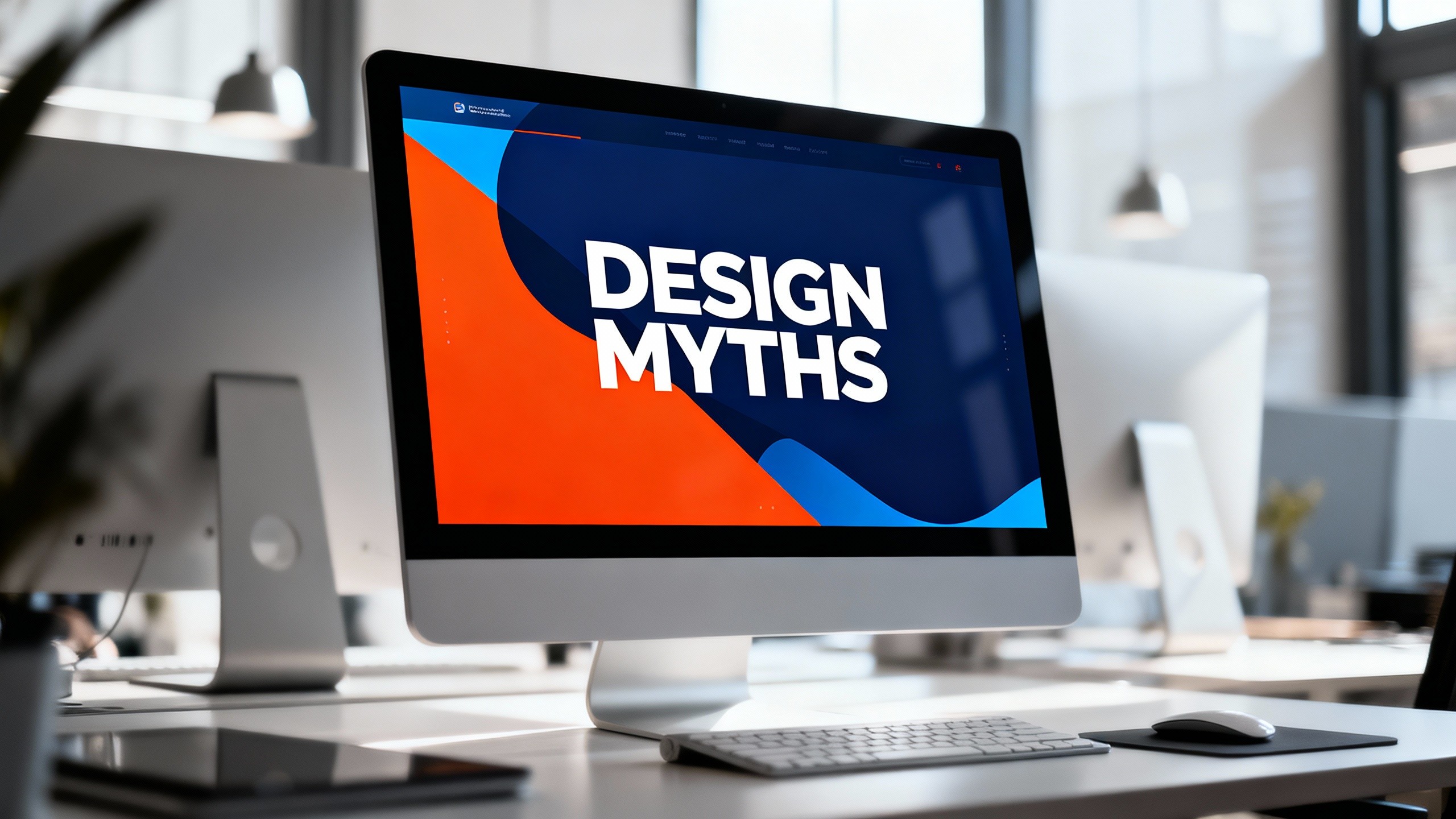
When it comes to design web design, a plethora of misconceptions can lead businesses astray, impacting their online presence and effectiveness. Understanding these common myths is crucial for crafting a successful digital strategy.
One prevalent misconception is that web design is solely about aesthetics. While a visually appealing website is important, effective web design goes beyond mere looks. It encompasses user experience (UX), site functionality, and responsiveness. A stunning design that fails to provide intuitive navigation or fast loading times can drive potential customers away. Thus, businesses should prioritize a balance between form and function.
Another myth is that template-based designs are sufficient for all business needs. While templates offer a quick and cost-effective solution, they often lack the customization required to reflect a brand's unique identity. For instance, TrendTap Digital specializes in crafting distinctive designs that align with a brand's ethos, which a standard template may not achieve. Custom designs allow businesses to stand out in a crowded digital landscape, offering tailored solutions that templates simply cannot.
It's also commonly believed that once a website is live, the work is done. In reality, successful web design is an ongoing process. Regular updates and
