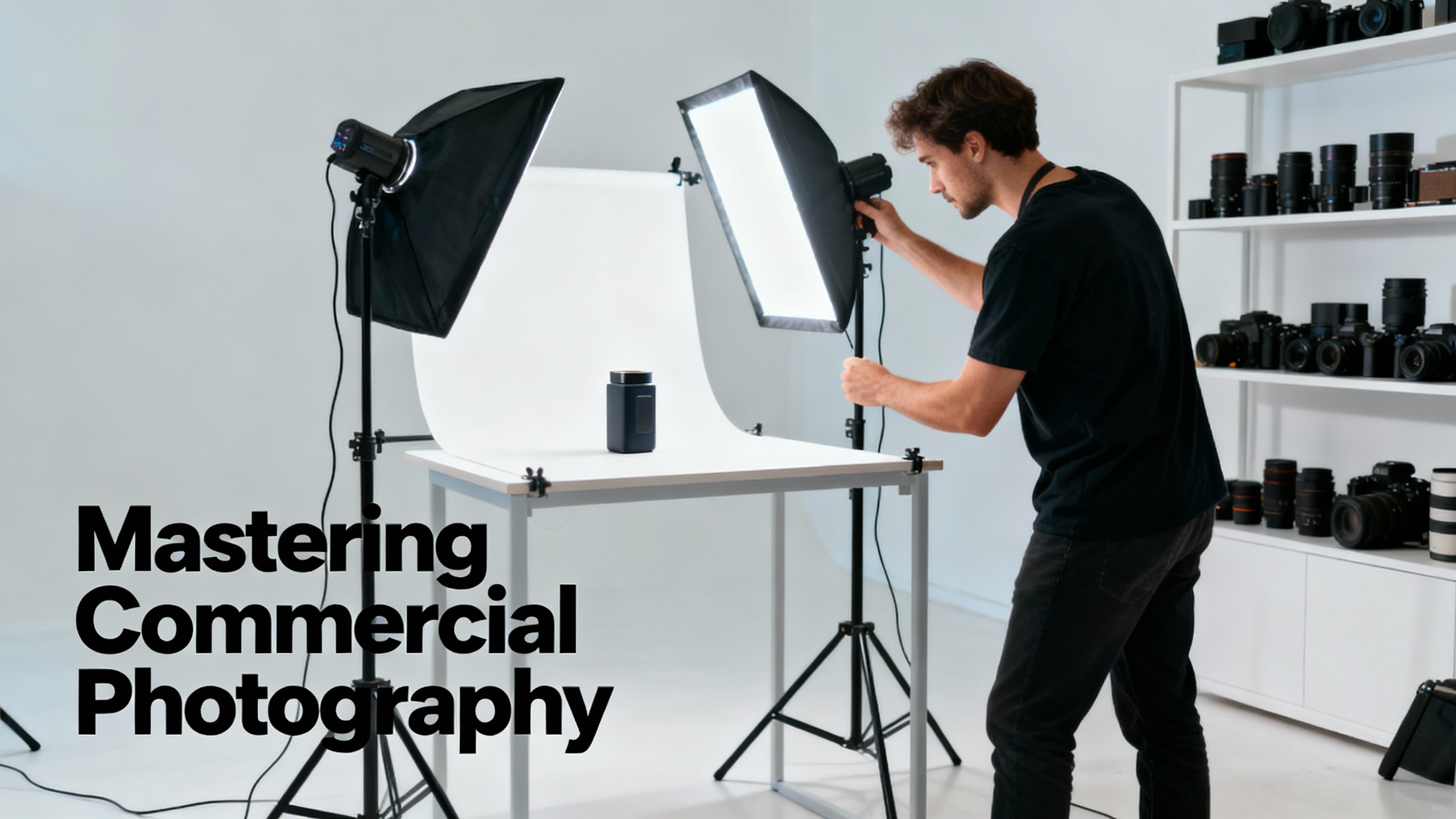
Mastering Commercial Photography: A Step-by-Step Guide
Introduction

Commercial photography is not just about capturing images; it's about crafting a brand's story through visual artistry. At TrendTap Digital, we understand the power of imagery in shaping perceptions and driving engagement. Whether you're a small business owner, a marketing director, or a content creator, mastering commercial photography is essential to stand out in today's visual-centric world.
This guide aims to equip you with the fundamental skills and insights needed to excel in commercial photography. From understanding lighting techniques to selecting the right equipment, we'll cover the critical aspects that can transform your photography from ordinary to extraordinary. As you navigate through this step-by-step guide, you'll discover the nuances that differentiate professional photography from amateur attempts.
Consider commercial photography as the visual language of your brand. Just as a well-crafted story captivates its audience, compelling images resonate with viewers, inviting them to explore more. Whether you aim to enhance your e-commerce platform or develop compelling marketing materials, the right photographic techniques can make all the difference. Embrace this journey to refine your skills, and let your images speak volumes about your brand's identity and values.
What You'll Need

Embarking on your journey in commercial photography requires a curated set of tools. First, invest in a high-quality camera. While DSLRs like the Canon EOS 5D Mark IV or mirrorless options such as the Sony A7 III are popular, choose one that suits your style and budget. Next, consider lenses. A versatile zoom lens, like a 24-70mm, is ideal for various subjects, while a prime lens can offer exceptional sharpness.
Lighting equipment is crucial. Softboxes or LED panels help create professional lighting conditions, essential for capturing product details and textures. Don't forget a sturdy tripod to ensure stability and precision in your shots.
Here's a quick checklist:
Camera: DSLR or Mirrorless
Lenses: Zoom and Prime
Lighting: Softboxes or LED panels
Tripod: For stability
Editing Software: Adobe Lightroom or Photoshop
Finally, equip yourself with editing software like Adobe Lightroom or Photoshop to refine your images, ensuring they align with your brand's identity and vision. With these tools, you're well-prepared to craft stunning visuals that captivate your audience.
Step 1: Mastering Your Equipment

To excel in commercial photography, mastering your equipment is the first crucial step. As a professional, understanding your gear inside and out allows you to capture images that truly elevate a brand's identity.
Implementation Details
Begin by familiarizing yourself with the settings and functions of your camera. Experiment with different modes and settings to understand how they affect your images. For instance, adjusting the aperture allows you to control the depth of field, which is essential when focusing on product details or creating a dynamic background blur. Additionally, the ISO setting can dramatically impact image quality, especially in varying lighting conditions.
Invest time in learning about lighting setups. Whether you use natural light or artificial sources like softboxes, understanding how to manipulate light will significantly enhance the quality of your photos. Practice using reflectors and diffusers to soften shadows and create a more balanced look.
Pro Tips
For optimal results, consider these expert suggestions:
Consistency is key: Develop a unique style that reflects your brand’s ethos.
Experiment with various lighting conditions to find what works best for your niche.
Practice regularly to refine your skills and adapt to new techniques.
By mastering your equipment and implementing these strategies, you position yourself to capture images that not only meet client expectations but also set you apart in the competitive world of commercial photography.
Step 2: Implementation Details

Implementation Details
In the realm of commercial photography, the implementation phase is where your creativity meets technical expertise. Begin by planning your shoot meticulously. Consider the composition and how it aligns with the brand's message. This involves selecting the right camera angle and ensuring that the subject stands out.
Next, focus on lighting techniques. Use softboxes or natural light strategically to highlight the product's features. Reflectors can enhance details, while diffusers soften harsh shadows. Experimentation with different light sources can yield unexpected and impactful results.
Lastly, pay attention to the background. A clutter-free backdrop can make your subject pop. For e-commerce, a plain white background often works best, while lifestyle shots may benefit from more dynamic settings.
Pro Tips
To elevate your commercial photography game, consider these insider tips:
Create a shot list: This ensures no important details are overlooked during the shoot.
Use a tripod: Stability is crucial for sharp, professional images.
Post-process wisely: Editing can enhance your photos, but avoid overdoing it to maintain authenticity.
By integrating these strategies, you not only improve your photography skills but also create images that truly resonate with your audience. Remember, in the fast-paced world of digital marketing, attention to detail can make all the difference.
Step 3: Capture the Shot

Implementation Details
Capturing the perfect shot in commercial photography requires meticulous planning and execution. First, ensure your camera settings are optimized. This means adjusting the ISO, aperture, and shutter speed based on the lighting conditions and the subject. For e-commerce, a higher aperture (around f/8 to f/11) ensures that the entire product is in sharp focus.
Next, consider the angle of the shot. Experiment with perspectives to find the most flattering angle for your subject, whether it's a product or a person. For instance, shooting from a slightly lower angle can add a sense of grandeur to the subject. Additionally, ensure that your composition follows the rule of thirds to create a balanced image.
Pro Tips
Enhance your photography with these expert suggestions:
Use natural light: Whenever possible, utilize natural lighting to give your images a soft, authentic look.
Invest in quality lenses: Different lenses can dramatically change the outcome of your photos. A prime lens, for example, offers sharper images.
Focus on storytelling: Every image should convey a story that aligns with the brand's identity.
By applying these techniques, you’ll not only capture compelling images but also bring out the unique essence of the brand. Remember, in the competitive world of digital marketing, a well-captured image can set your brand apart and engage your audience effectively.
Step 4: Implementation

Implementation Details
To implement commercial photography effectively, begin by setting up a controlled environment. This includes choosing the right backdrop, managing lighting conditions, and ensuring that all equipment is functioning properly. A well-organized setting not only enhances the quality of the photos but also streamlines the shooting process. Lighting is crucial; consider using softboxes or reflectors to eliminate harsh shadows and provide even illumination.
Next, focus on the subject's positioning. Whether you are photographing products or people, ensure they are placed in a way that highlights their best features. Use props strategically to add context or tell a story. For product photography, ensure the item is the focal point, with minimal distractions in the background. Attention to detail in these elements can significantly elevate the final outcome.
Pro Tips
Here are some pro tips to enhance your commercial photography:
Experiment with angles: Different angles can provide unique perspectives and add interest.
Post-processing: Use editing software to refine images, adjusting color balance and sharpness.
Consistency is key: Maintain a consistent style to build brand identity.
By incorporating these strategies, you’ll not only improve the quality of your photography but also ensure that each image aligns with the brand’s narrative. Remember, commercial photography is not just about capturing an image; it's about creating a visual story that resonates with your audience.
Step 5: [Action]

Implementation Details
When implementing commercial photography techniques, it's crucial to focus on the specifics that align with your brand's identity. Start by setting a clear objective for each shoot. Are you aiming to highlight a product’s unique features or capture the essence of a service? Next, consider the composition and lighting. Utilize natural light for a softer look or studio lighting for a more controlled environment. Always remember to use a tripod for stability, ensuring sharp images.
Props and backdrops play a significant role in storytelling. Choose elements that complement the subject and fit the brand’s narrative. For instance, a tech product might benefit from a minimalist, modern background. Finally, review the shots during the session, making adjustments as necessary. This proactive approach can save time in post-production.
Pro Tips
To elevate your commercial photography, consider these pro tips:
Leverage the rule of thirds: This composition technique helps create visually appealing images.
Incorporate motion: Adding a dynamic element can make images more engaging.
Optimize for platforms: Tailor your photos for different social media and e-commerce specifications.
By focusing on these strategies, you ensure that each photo not only looks professional but also aligns with TrendTap Digital's mission to craft unique brand identities. Remember, the goal is to create imagery that not only attracts but also tells a compelling brand story.
Step 6: [Action]

Implementation Details
In the world of commercial photography, the implementation phase is where your vision comes to life. Start by setting clear objectives for each shoot, which should align with your client's brand identity. This ensures that every photo you take not only meets their expectations but also enhances their brand narrative.
Lighting plays a crucial role in capturing the perfect image. Use softboxes or natural light to highlight the product's best features. Experiment with angles to find the most appealing perspective. Remember, consistency in style is key to maintaining a cohesive portfolio that reflects your unique identity.
To further refine your approach:
Test your equipment before the shoot to avoid technical issues.
Create a shot list to ensure all necessary angles and details are captured.
Review images on-site to make real-time adjustments.
Pro Tips
Incorporate these expert techniques to enhance your commercial photography:
Utilize leading lines: This draws the viewer's eye toward the product.
Experiment with color theory: Use colors that evoke emotions aligned with the brand's message.
Adapt to trends: Stay informed about the latest photography trends to keep your work relevant.
By integrating these strategies, you not only create captivating images but also reinforce TrendTap Digital's commitment to elevating brands through innovative photography. The ultimate aim is to produce images that resonate with the audience and effectively communicate the brand's story.
Common Mistakes to Avoid

Navigating the world of commercial photography can be complex, and even seasoned professionals can stumble. Here are some common pitfalls to steer clear of:
Neglecting pre-shoot planning: Skipping this step can lead to chaotic sessions and missed shots. Always have a clear plan.
Ignoring lighting: Poor lighting can ruin a photo. Ensure you understand how to manipulate natural and artificial light effectively.
Over-editing images: While editing is crucial, overdoing it can make photos look unnatural. Strive for a balance that enhances without overshadowing the subject.
Avoid these mistakes to keep your projects on track and your clients satisfied. TrendTap Digital knows the importance of precision and planning, ensuring every image aligns with the brand's unique identity.
Conclusion

Mastering commercial photography involves a blend of creativity, technical skill, and strategic planning. By focusing on the core elements—lighting, composition, and editing—you can create images that truly resonate with audiences and effectively tell a brand's story. Remember, the heart of successful photography lies in expressing a brand's unique identity and connecting with its target market. TrendTap Digital excels in this space by leveraging data-driven strategies to craft compelling visual narratives. As you continue to hone your skills, keep in mind the importance of ongoing learning and adaptation. The world of commercial photography is ever-evolving, and staying ahead requires both innovation and a keen understanding of market trends.
Ready to Take Action?
If you found this guide helpful and want to explore more, check out our platform for additional resources and tools.