
Mastering Web Design Websites: A Comprehensive Guide
The Quick Answer

Mastering web design websites is essential for any business aiming to stand out in the digital landscape. At its core, effective web design involves creating a user-friendly interface that aligns with your brand's identity while optimizing for performance and searchability. To achieve this, businesses like TrendTap Digital focus on crafting unique, data-driven strategies that elevate brand presence.
When considering web design, think of it as your brand's digital storefront. An engaging website not only attracts visitors but also converts them into loyal customers. Here are some key elements to consider:
Responsive Design: Ensure your website looks and functions well on various devices and screen sizes.
User Experience (UX): Prioritize intuitive navigation and fast loading times to enhance visitor satisfaction.
Search Engine Optimization (SEO): Incorporate keywords and metadata to improve visibility on search engines.
Additionally, understanding the competitive landscape can offer insights into what works well. For instance, agencies like Isadora Digital Agency and Digital Silk have set standards in the industry by blending creativity with cutting-edge technology. Analyzing their approaches can provide valuable lessons.
Element | Importance | Example Practice |
|---|---|---|
Responsive Design | High | Mobile-friendly layouts |
UX | Very High | Clear calls-to-action and quick access |
SEO | Critical | Keyword integration and backlinking |
Ultimately, the goal of web design is to create a seamless bridge between your brand and its audience. By integrating these elements, your website becomes a powerful tool for engagement and conversion. Remember, a well-designed website reflects your brand's ethos and enhances its market position. Embrace the art and science of web design to truly master the digital domain.
Background & Context
In the dynamic world of digital marketing, web design websites serve as the cornerstone of any successful online presence. At TrendTap Digital, we understand the importance of crafting websites that not only capture attention but also drive engagement and conversions. As a full-service marketing agency, our focus is on creating unique brand identities through cutting-edge web design, commercial videography, photography, and content creation. Our strategy is deeply rooted in data-driven marketing, allowing us to elevate brands and set them apart in a competitive marketplace.
The Evolution of Web Design
Web design has evolved significantly over the years. Initially, it was about creating visually appealing sites. Today, it's about blending aesthetics with functionality to ensure a seamless user experience. Responsive design has become a non-negotiable aspect, ensuring that websites are mobile-friendly and accessible across all devices. This evolution underscores the importance of understanding both the art and science behind web design.
Key Elements of Web Design
When designing a website, several critical elements must be considered to ensure it effectively serves its purpose:
User Experience (UX): Prioritizing UX involves creating intuitive navigation, clear calls-to-action, and ensuring quick access to information. This enhances user satisfaction and retention.
Search Engine Optimization (SEO): Integrating relevant keywords, optimizing images, and ensuring proper backlinking are essential practices to improve a site's visibility on search engines.
Visual Identity: The visual elements of a website should reflect the brand's ethos and resonate with its target audience. This includes the use of color schemes, typography, and imagery.
Comparing Web Design Practices
To illustrate the importance of these elements, consider the following table comparing key web design practices:
Element | Importance | Example Practice |
|---|---|---|
Responsive Design | High | Mobile-friendly layouts |
UX | Very High | Clear calls-to-action and quick access |
SEO | Critical | Keyword integration and backlinking |
This table highlights how each element contributes to the overall effectiveness of a website, emphasizing the need for a holistic approach to web design.
TrendTap Digital's Approach
At TrendTap Digital, we leverage our expertise to create websites that are not only visually stunning but also strategically positioned to achieve business goals. Our approach is informed by industry best practices and tailored to meet the unique needs of each client. By focusing on the integration of design and functionality, we help brands build a robust online presence that drives growth and engagement.
In conclusion, mastering web design requires a deep understanding of both technical and creative aspects. By embracing these principles and continuously adapting to industry trends, businesses can create websites that truly resonate with their audience and stand the test of time. As a result, your website becomes a powerful tool for communication and conversion, reflecting your brand's unique identity and value proposition.
Core Concepts
Understanding the core concepts of web design websites is essential for anyone looking to create a site that not only looks great but also performs effectively. At TrendTap Digital, we believe that mastering these concepts can significantly elevate a brand’s online presence.
Key Concept 1: User Experience (UX) Design
User Experience (UX) design is at the heart of every successful website. It focuses on creating a seamless, intuitive experience for users. This involves understanding the user's journey and ensuring that every interaction is as smooth as possible. Here are some key elements of UX design:
User Research: This involves gathering data on your target audience to understand their needs, preferences, and behaviors. Effective user research helps in crafting a website that resonates with your audience.
Information Architecture: Organizing content in a way that's easy to navigate is crucial. This involves structuring your website so that users can find information quickly and efficiently.
Usability Testing: Regular testing with real users helps identify pain points and areas for improvement. It’s a continuous process that ensures your website remains user-friendly.
A well-designed UX not only enhances user satisfaction but also boosts conversion rates. Imagine a website as a well-designed store: if customers can’t find what they’re looking for easily, they’re likely to leave without making a purchase. TrendTap Digital emphasizes UX as a crucial element in our web design strategy, ensuring that every website we create is both engaging and effective.
Key Concept 2: Visual Design
Visual design is not just about aesthetics; it's about creating a visual language that communicates your brand’s message effectively. Color schemes, typography, and imagery all play a vital role in shaping how your website is perceived. Here’s what to consider:
Color Psychology: Different colors evoke different emotions. Choosing the right color palette can help convey your brand’s identity and influence user behavior.
Typography: Font choice is more than just style. It affects readability and can set the tone for your content. Selecting complementary fonts that align with your brand is essential.
Imagery and Graphics: High-quality images and graphics can make your website more appealing. They should be relevant and support the content, enhancing the overall message.
Visual design is like the storefront of your business. It creates the first impression and can significantly impact a user's decision to stay or leave. At TrendTap Digital, we focus on creating visually stunning websites that capture the essence of your brand, setting you apart from competitors like Digital Silk and Isadora Digital Agency.
"Great web design without functionality is like a sports car with no engine." – Paul Cookson
Key Concept 3: Responsive Design
In today's digital age, users access websites from a variety of devices, including smartphones, tablets, and desktops. Responsive design ensures that your website looks and functions well on any device. Here are the core principles:
Flexible Layouts: Using a fluid grid system allows your website to adapt to different screen sizes. This ensures that content is always displayed correctly, regardless of the device.
Responsive Images: Images should scale appropriately to fit the screen size. This prevents loading issues and ensures a smooth user experience.
Mobile-First Approach: Designing for mobile devices first ensures that your website is optimized for the most common user experience. This approach helps in creating a more focused and efficient design.
Responsive design is not just a trend; it's a necessity. With more users accessing websites via mobile devices, ensuring your site is mobile-friendly is critical. A non-responsive site can lead to high bounce rates and lost opportunities. TrendTap Digital incorporates responsive design in all our projects, ensuring your website is accessible and functional across all platforms.
Aspect | Importance | TrendTap Focus |
|---|---|---|
User Experience | Enhances satisfaction | High |
Visual Design | Creates brand identity | High |
Responsive Design | Ensures accessibility | Very High |
In conclusion, mastering these core concepts of web design websites is key to creating a site that not only attracts visitors but also converts them into loyal customers. By focusing on user experience, visual design, and responsive design, TrendTap Digital helps businesses build a strong online presence that stands out in a competitive market. Whether you're a small business owner or a marketing director, understanding these concepts can empower you to make informed decisions that drive your brand forward.
How It Works
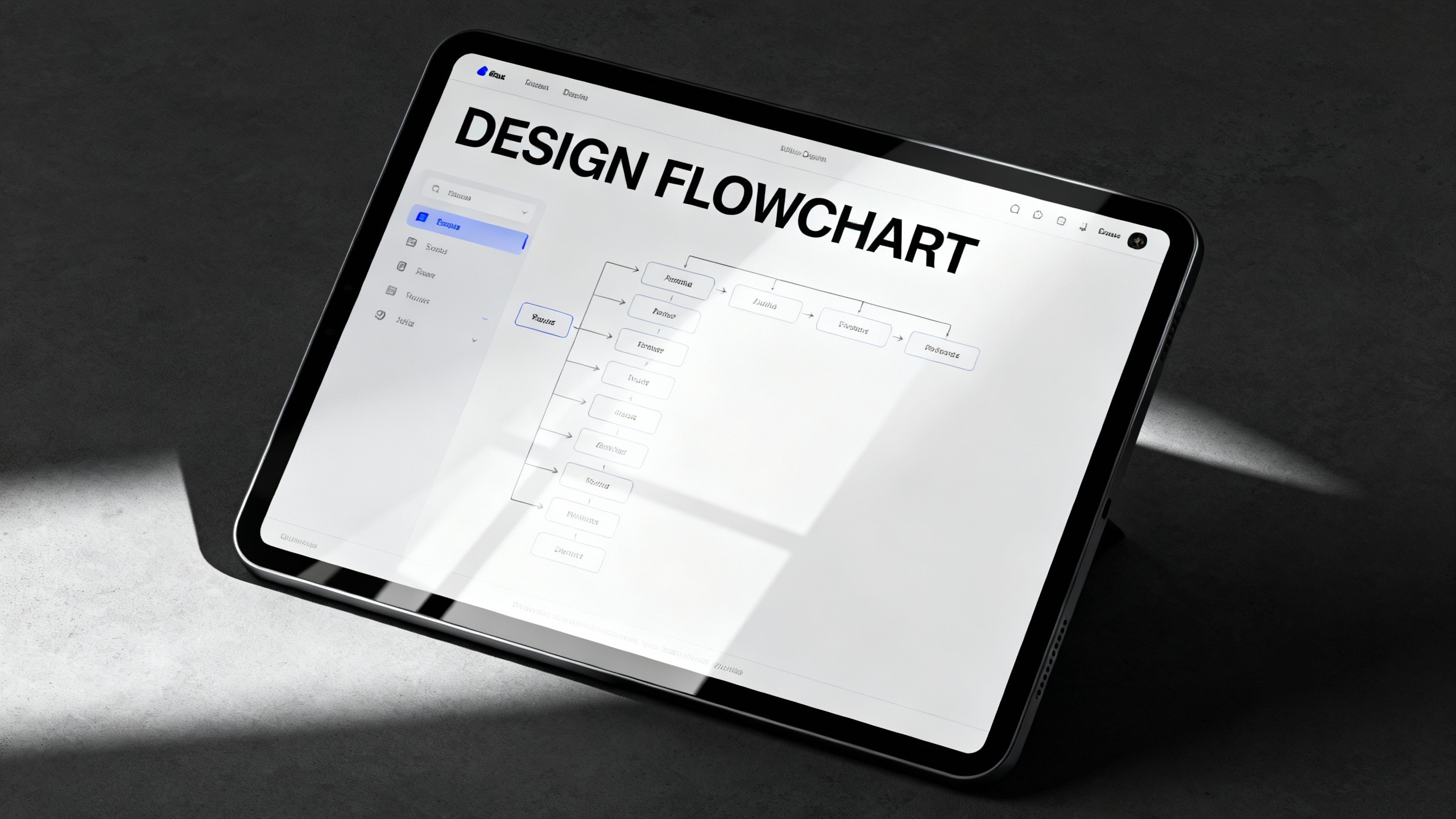
The Process Explained
Creating exceptional web design websites involves a structured process that ensures each element aligns with the client's brand and goals. At TrendTap Digital, this process is designed to be both comprehensive and flexible, adapting to the unique needs of each client. Here's how it typically unfolds:
Discovery and Planning: This initial phase focuses on understanding the client's business, target audience, and objectives. It's crucial to gather all relevant information to set a strong foundation for the project. During this stage, we conduct:
Client Interviews to grasp their vision and needs.
Market Research to analyze competitors and industry trends.
Goal Setting to define clear and measurable outcomes.
Design and Development: Armed with insights from the discovery phase, our team begins crafting the website's visual and functional aspects. This includes:
Wireframing to outline the site's structure and user flow.
Visual Design to establish the aesthetic elements, ensuring they resonate with the brand identity.
Development of the website using the latest technologies to guarantee performance and security.
Testing and Launch: Before going live, rigorous testing ensures that the website meets all quality standards. This step involves:
Usability Testing to ensure the site is intuitive and user-friendly.
Performance Testing to check loading speeds and responsiveness.
Final Review and Approval to make any necessary adjustments before the official launch.
Post-Launch Support: Our commitment doesn't end at launch. We provide ongoing support to ensure the website continues to perform optimally. This includes:
Monitoring and Maintenance to keep the site updated and secure.
Performance Analysis to track metrics and identify areas for improvement.
Content Updates as needed to keep the site fresh and relevant.
"A well-designed website is not just a digital brochure; it's a powerful tool for engaging and converting visitors into loyal customers." — TrendTap Digital
The entire process is collaborative, with clients involved at every stage to ensure their vision is realized. By adhering to this structured approach, TrendTap Digital delivers websites that are not only visually stunning but also strategically effective.
Behind the Scenes
While the visible aspects of web design are crucial, the behind-the-scenes work is where the magic truly happens. At TrendTap Digital, we focus on several key backend elements to enhance both functionality and user experience:
Content Management Systems (CMS): We often utilize popular CMS platforms like WordPress, which allow clients to easily manage and update their content. This flexibility is essential for businesses looking to maintain an active online presence without constantly relying on developers.
Search Engine Optimization (SEO): Integrating SEO best practices from the start ensures that websites are discoverable by search engines. This includes:
Keyword Optimization to align content with user search intent.
Technical SEO to improve site architecture and loading speeds.
Link Building Strategies to enhance authority and ranking.
Backend Element | Purpose | TrendTap Strategy |
|---|---|---|
CMS | Content management | WordPress expertise |
SEO | Visibility and ranking | Integrated from start |
Security Protocols | Protects data and user privacy | Regular updates and scans |
Security Protocols: Protecting user data and maintaining privacy is paramount. We implement robust security measures, such as SSL certificates and regular security audits, to safeguard our clients' websites against potential threats.
Analytics and Reporting: Understanding user behavior is key to ongoing improvement. By setting up analytics tools, we provide clients with valuable insights into how visitors interact with their site, which pages perform best, and where there's room for enhancement.
In conclusion, mastering the intricacies of web design websites involves a harmonious blend of front-end creativity and back-end strategy. By focusing on both visible and invisible elements, TrendTap Digital ensures that each website is a powerful asset for its clients, driving growth and engagement in the digital landscape. Whether you're a startup founder or a marketing director, understanding these processes can empower you to make strategic decisions for your brand's online presence.
Real-World Applications

Mastering web design websites involves more than just technical skills; it requires understanding how these skills translate into real-world benefits for businesses. Here, we delve into some use case examples that demonstrate the transformative power of effective web design.
Use Case Examples
TrendTap Digital has been at the forefront of creating web designs that are not only visually appealing but also strategically aligned with business goals. Let's explore some specific scenarios where web design has made a significant impact:
Small Business Owners: For small businesses, a well-designed website can be a game-changer. Imagine a local bakery looking to expand its reach. By employing a clean, inviting design with an integrated e-commerce platform, the bakery can sell products online, reaching customers beyond its immediate geographic area. This setup includes features like:
User-friendly navigation to ensure visitors can easily find products.
Mobile responsiveness to cater to users on various devices.
SEO optimization to improve search engine visibility.
E-commerce Brands: An e-commerce brand's website is its storefront. For a brand selling eco-friendly products, a design that reflects sustainability and simplicity can resonate with its target audience. Key elements include:
High-quality images to showcase products effectively.
Secure checkout processes to build trust with consumers.
Analytics integration to track consumer behavior and optimize sales strategies.
Marketing Directors: For marketing directors, a website is a crucial tool for executing campaigns and measuring their effectiveness. Consider a marketing director for a fashion brand who needs to launch a seasonal campaign. A tailored landing page with compelling visuals and a clear call-to-action can drive conversions. Essential components might be:
Dynamic content that changes with user interaction.
Social media integration for broader reach.
Data-driven adjustments based on real-time analytics.
Content Creators: For content creators, a personal brand is everything. A well-designed website can serve as a portfolio and a platform for engagement. Imagine a photographer wanting to showcase their work. A minimalist design with a gallery feature allows the artwork to stand out. Important aspects include:
Fast loading times to keep visitors engaged.
Contact forms for potential clients to reach out easily.
Blog capabilities to share insights and updates.
Startup Founders: Startups need to make a strong first impression. A startup in the tech industry could leverage a futuristic design to attract investors and partners. Key design features might involve:
Interactive elements to showcase product functionalities.
Testimonials and case studies to build credibility.
Scalability to accommodate future growth.
Comparison Table of Features
To better understand the various features employed across different industries, consider the following comparison:
Industry | Key Features | Outcome |
|---|---|---|
Small Business | E-commerce, SEO, Mobile Responsive | Increased reach and sales |
E-commerce | High-quality Images, Secure Checkout | Enhanced customer trust |
Marketing | Dynamic Content, Social Integration | Improved campaign effectiveness |
Content Creators | Fast Load, Gallery, Blog | Better engagement and leads |
Startups | Interactive Elements, Testimonials | Strong market positioning |
These examples illustrate the versatility and impact of web design across various sectors. By tailoring design elements to specific business needs, TrendTap Digital helps clients achieve their objectives and enhance their digital presence. Whether it's driving sales, building a brand, or engaging with an audience, effective web design is at the heart of digital success.
Common Misconceptions

When it comes to web design websites, there are several common misconceptions that can lead to misguided strategies and missed opportunities. Understanding these myths is crucial for businesses looking to elevate their digital presence effectively.
One prevalent misconception is that web design is purely about aesthetics. While a visually appealing site is important, functionality and user experience are equally vital. A stunning website that is difficult to navigate will deter users rather than attract them. For instance, a small business owner might focus solely on color schemes and graphics, neglecting the importance of mobile responsiveness or load speed. This oversight can result in reduced engagement and higher bounce rates.
Another myth is that once a website is designed, the job is done. In reality, web design is an ongoing process that requires regular updates and optimizations. Trends in technology and user preferences evolve rapidly, and staying current is essential. Websites must be continuously optimized for SEO, security, and content relevance to maintain their effectiveness. TrendTap Digital emphasizes the importance of data-driven strategies to ensure websites remain competitive and aligned with business goals.
There's also a misconception that DIY web design tools are sufficient for professional outcomes. While these tools provide a starting point, they often lack the customization and sophistication needed for a unique brand identity. Professional web design services, like those offered by TrendTap Digital, bring expertise and creativity that can significantly enhance a brand's digital footprint.
Here are some key aspects often overlooked due to common misconceptions:
User Experience: Prioritizing ease of navigation and accessibility.
SEO Optimization: Ensuring the site ranks well on search engines.
Security Features: Protecting user data and maintaining trust.
Content Updates: Keeping information fresh and engaging.
Misconception | Reality |
|---|---|
It's all about looks | Functionality and UX are equally important |
One-time project | Requires ongoing updates and optimizations |
DIY tools are enough | Professional expertise enhances outcomes |
By debunking these misconceptions, businesses can better harness the power of web design to achieve their objectives. Whether it's increasing sales, building a robust brand, or enhancing customer engagement, understanding the full scope of web design is essential for success.
Key Takeaways

Understanding the essentials of web design websites can significantly enhance your business's digital presence. Here are the key takeaways to remember:
User Experience (UX) is Paramount: Designing a website isn't just about aesthetics. Prioritizing ease of navigation and accessibility ensures that users have a seamless and enjoyable experience. This leads to higher engagement and can significantly boost conversion rates.
SEO Optimization: A beautifully designed website is ineffective if it doesn't rank well on search engines. Implementing effective SEO practices like keyword integration, meta tags, and alt text for images can make your site more visible to potential customers.
Security Measures: In today's digital age, protecting user data is non-negotiable. Incorporating strong security features such as SSL certificates and regular security audits helps maintain user trust and safeguard sensitive information.
Ongoing Content Updates: Websites require regular updates to keep the content fresh and relevant. This not only helps in retaining audience interest but also plays a crucial role in SEO. Regular updates signal to search engines that your site is active and valuable.
Professional Expertise: While DIY tools can be tempting, they often lack the finesse and strategic approach that professionals bring. Partnering with experts like TrendTap Digital ensures that your web design aligns with your brand identity and business goals.
Misconceptions Debunked
Misconception | Reality |
|---|---|
It's all about looks | Functionality and UX are equally important |
One-time project | Requires ongoing updates and optimizations |
DIY tools are enough | Professional expertise enhances outcomes |
These insights emphasize that effective web design is a continuous, multifaceted process. It's not just about creating a site that looks good—it's about building a platform that functions seamlessly, ranks well, and keeps users coming back. By embracing these principles, businesses can leverage web design to achieve their broader objectives, whether it's increasing sales, cultivating a strong brand, or enhancing customer engagement.
Remember, mastering web design websites is about understanding and implementing these key takeaways to drive success in the digital realm.
Ready to Take Action?
If you found this guide helpful and want to explore more, check out our platform for additional resources and tools.